Want to Be Wealthy? Stop Swapping All of Your Time for Money
Most of us were taught the same basic formula growing up: do well in school, get a solid job, work hard, and success will follow. There is nothing wrong with earning a paycheck, but there is an obvious limit built into that model. Your time.
There are only so many hours in a day. If every dollar you earn depends on another hour of work, your income is always tied closely to your schedule.
“Do you love life? Then don’t waste time, because that’s what life is made of.” — Benjamin Franklin (modernized wording)
What school often doesn’t emphasize is the value of building assets and systems that can continue producing income without requiring you to sell every hour directly.
That is where passive income becomes interesting.
What Is Passive Income?
In everyday business language, passive income is income that is not tied as directly to your current hours of work. You may create an asset, product, audience, system, or investment that can continue producing revenue after the initial work is done.
That does not mean you do something once and money magically appears forever. Most passive-income streams require work up front, and many require ongoing maintenance.
A quick tax note: I’m using “passive income” here in the everyday business sense. For tax purposes, the IRS uses the term differently, and interest, dividends, royalties, rentals, and business income may be classified differently depending on the circumstances. If the distinction matters for your taxes, see IRS Publication 925 or talk with a qualified tax professional.
Why Passive Income Matters
The real attraction is not that passive income is effortless. It is that your income has the potential to become less dependent on what you are doing at this exact moment.
That can create more options. A successful income-producing asset may help you reduce your dependence on one paycheck, free up some of your time, provide another source of cash flow, or make it easier to handle a disruption in your regular income.
It can also let work you completed earlier continue creating value later. An article you published months ago may still bring visitors. A digital product may continue selling. A book may continue earning royalties. An affiliate page may continue generating commissions.
None of that is guaranteed, but it changes the relationship between time and income.
Passive Income Does Not Mean No Work
This is where a lot of online hype gets passive income wrong.
An affiliate website needs useful content, traffic, link maintenance, and updates. A digital product may need revisions and customer support. Rental property needs management and repairs. Investments require capital and involve risk. Royalties only exist if you first create something people actually want.
The goal is not to avoid work. The goal is to do work that can continue producing value after the hour is over.
Examples of Passive or Semi-Passive Income
Affiliate marketing: Create useful content that can continue sending people to products or services and generating commissions after publication. You still need to maintain the content, links, traffic, and audience.
Digital products: Ebooks, downloads, courses, templates, and other products can be sold repeatedly after the initial creation work.
Content websites: Articles and videos can continue generating advertising or affiliate revenue, although successful content usually needs updates.
Rental assets: Property or equipment can produce recurring income, but expenses and management are still part of the picture.
Investments: Dividends and interest can reduce dependence on wages, although investment income involves risk and is treated differently from passive activity income for tax purposes.
Royalties: Books, music, software, photography, and other intellectual property can continue producing revenue after the initial creation.
Start Small and Learn What Works
You do not need to quit your job and announce that you are now a passive-income entrepreneur. Start with something small enough to learn from.
Then take action, learn from what happens, and improve it. Starting before you feel completely ready is often more useful than spending another six months researching the perfect plan.
The first goal does not have to be replacing your paycheck. It can simply be proving that you are capable of creating one small source of income that is not tied directly to another hour on the clock.
Your Next Step
If building another source of income is part of your plan, start by choosing one realistic idea and learning how it actually works. You can also compare those principles with the opportunity I’m currently featuring below.
Explore the opportunity featured below.
Joe's Featured Opportunity
I only feature opportunities here that meet my standards for cost,
flexibility, and transparency.
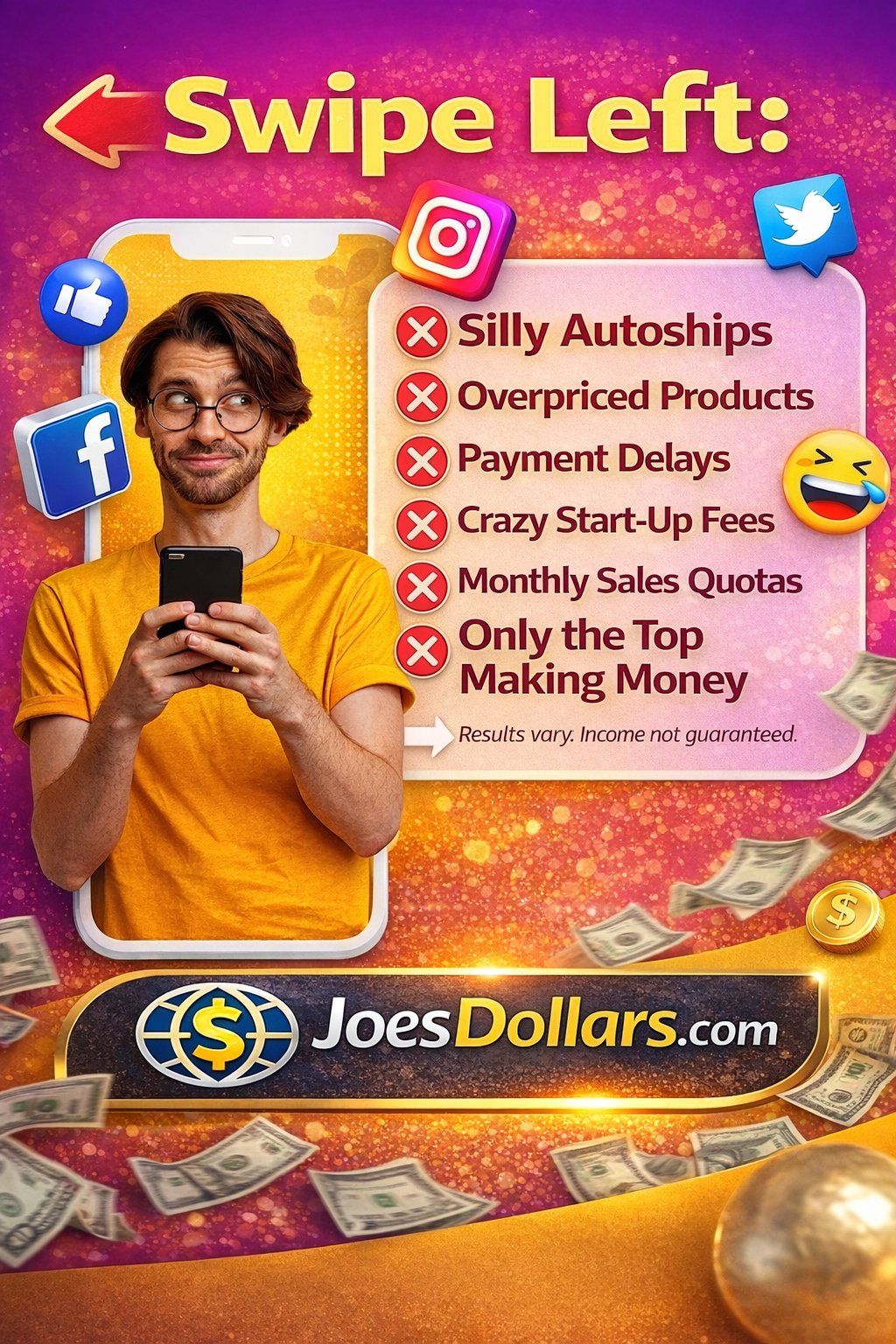
Want to Know How the Money Actually Works?
Skip the hype. Take a look at the structure, costs, and opportunity
for yourself so you can decide whether it makes sense for you.
I only feature opportunities here that meet my standards for cost,
flexibility, and transparency.
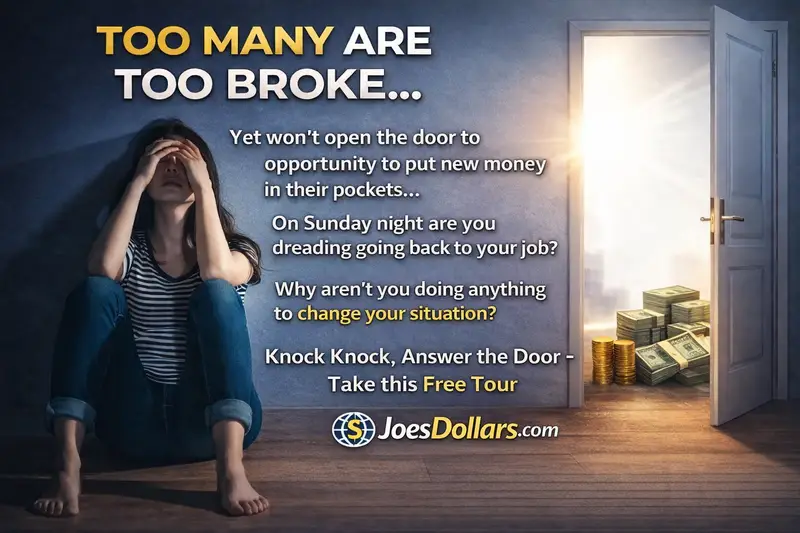
What If Your Income Wasn't Tied to an Hourly Wage?
This is an opportunity you can build at your own pace rather than
trading a fixed number of hours for a fixed paycheck. See how the
income model works before deciding whether it's right for you.
Find out what's required before you spend anything.
Joe's Featured Opportunity
I only feature opportunities here that meet my standards for cost,
flexibility, and transparency.
What If Your Side Hustle Could Help You Save Money Too?
The value doesn't have to begin with earning money. Take a look at
the products, pricing, and savings first. Then, if the business side
interests you, you can explore that too.
Start with the value. Decide on the opportunity afterward.
Joe's Featured Opportunity
I only feature opportunities here that meet my standards for cost,
flexibility, and transparency.
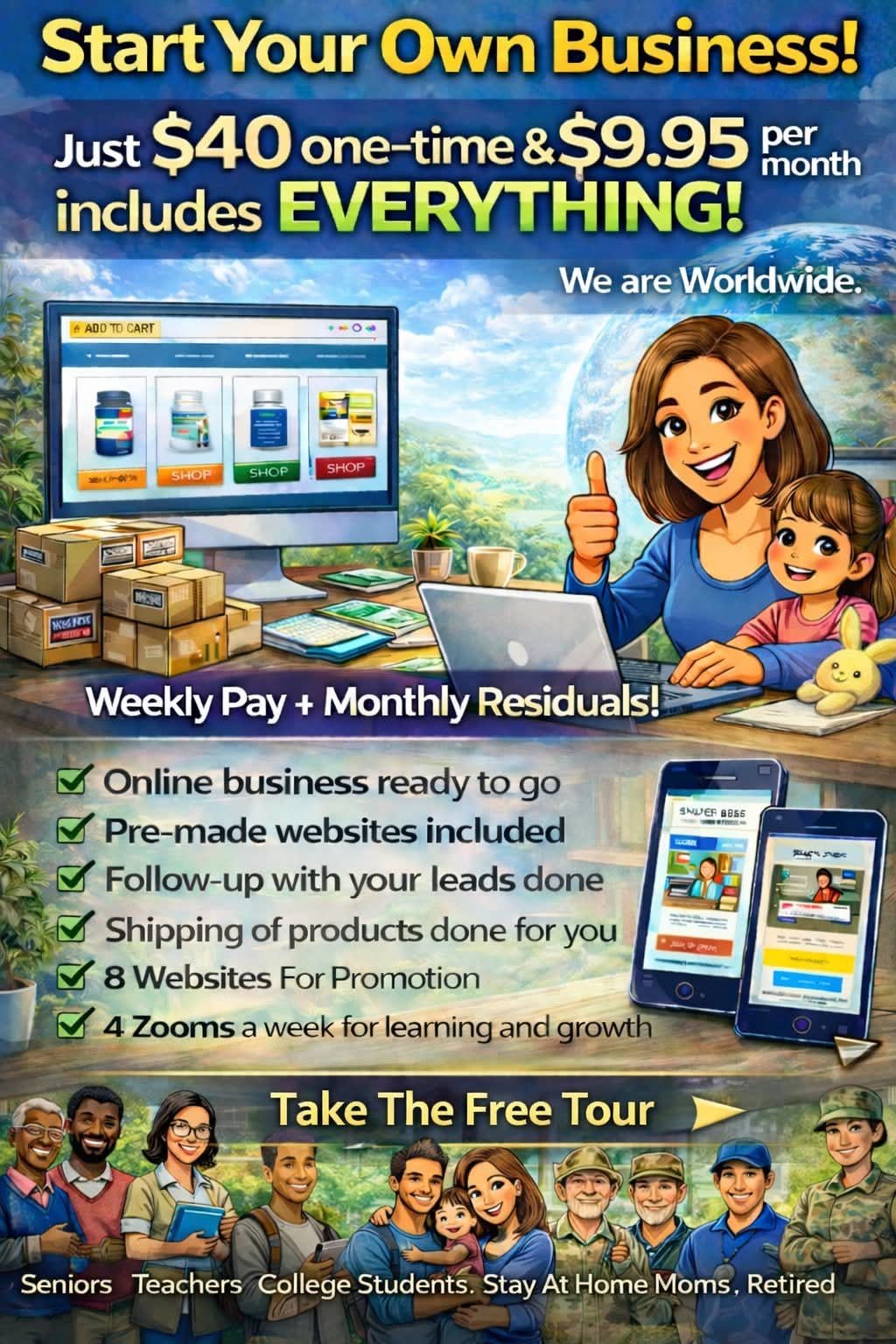
Starting Something New Shouldn't Require a Huge Bankroll
A large upfront investment stops a lot of people before they ever
begin. This opportunity was one I could look at without taking on
the kind of financial commitment many side businesses require.
I only feature opportunities here that meet my standards for cost,
flexibility, and transparency.
Build Something Around the Life You Already Have
You don't need to quit your job or turn your life upside down.
This is something you can start part-time, work around your
schedule, and grow at a pace that makes sense for you.
Joe Jepsen is an online business and income writer based near the Great Smoky Mountains in Sevierville, Tennessee. He has years of firsthand experience with affiliate marketing, network marketing, lead generation, and building income online.
Joe shares practical guidance on making money online, affiliate and network marketing, online business, and finding opportunities without getting lost in the hype. He also writes about money, inflation, precious metals, fiat currency, and the economic systems that affect the value of the dollars we earn and save.
A short daytime nap may help with alertness, fatigue, focus, and learning. Here is how to use naps practically without turning rest into another productivity myth.
Retirement without fulfillment isn’t really retirement at all. Discover how to reclaim your time, energy, and peace of mind—and build a life you truly enjoy.
Finding the “golden goose” of affiliate products takes more than comparing commission rates. Here’s how to evaluate customer value, costs, program terms, support, tracking, and whether an offer truly fits your audience.
Home-based businesses offer a unique opportunity for individuals seeking flexibility and control over their careers. However, it’s not a guaranteed path to riches. By carefully considering the risks and rewards, developing a sound business plan, and approaching the challenges with determination, you can increase your chances of success as a home-based entrepreneur. Remember, success takes time and effort, so be prepared to put in the hard work and enjoy the journey of building your own business.
Yet, the dollar’s key position in the global economy is increasingly called into question. There are good reasons to question the dollar’s value and strength. The US government is guilty of every action that makes fiat money worthless, and the US economy has experienced nearly all the consequences listed above. Current policy is only increasing these effects and putting the US economy at greater risk. Some current and very serious dangers facing
4 Comments
I appreciate that you don’t describe passive income like money appearing while you sleep. Most of it seems to take real work up front and some maintenance later, which is a lot more believable.
That’s the distinction I wanted to make. Passive doesn’t mean effortless. Usually you’re building an asset or a system first, then trying to reduce how much ongoing time it needs.
Would an affiliate article that keeps earning commissions months after publication count as semi-passive income, even if you still have to update it occasionally?
Absolutely. That’s a good example. You do the initial work and maintain the article, but it can continue generating income between updates. That’s much more realistic than the idea of getting paid for doing nothing.












I appreciate that you don’t describe passive income like money appearing while you sleep. Most of it seems to take real work up front and some maintenance later, which is a lot more believable.
That’s the distinction I wanted to make. Passive doesn’t mean effortless. Usually you’re building an asset or a system first, then trying to reduce how much ongoing time it needs.
Would an affiliate article that keeps earning commissions months after publication count as semi-passive income, even if you still have to update it occasionally?
Absolutely. That’s a good example. You do the initial work and maintain the article, but it can continue generating income between updates. That’s much more realistic than the idea of getting paid for doing nothing.