How to Choose the Right Affiliate Product to Promote


Choosing an affiliate product is not about finding a “golden goose” or a perfect offer that produces income automatically. It is about deciding whether a product genuinely helps a specific audience and whether you can recommend it accurately, transparently, and within the program’s rules.
A high commission cannot rescue a weak product, a poor audience match, or a recommendation that damages trust. Use the following framework before investing time in content, email, advertising, or other promotion.
1. Start With Audience Fit
Define the reader or customer you intend to help. What are they trying to accomplish? What have they already tried? What budget, experience, and limitations are common?
An offer can be legitimate and still be wrong for your audience. A sophisticated business platform may frustrate beginners, while a basic tool may not serve experienced users. Choose the audience first and evaluate products against their needs.
2. Confirm a Genuine Customer Need
Look for evidence beyond the affiliate program’s promotional materials. Read customer questions, support discussions, product documentation, independent complaints, and reasonable alternatives. Determine whether the product solves a meaningful problem or mainly depends on the excitement of earning commissions.
If most demand appears to come from people who want to resell the opportunity rather than use the product, investigate carefully before recommending it.
3. Evaluate Product Usefulness
Understand what the product does, who should not use it, what support it requires, and what limitations apply. When possible, use the product yourself. If you have not used it, say so rather than implying personal experience.
Ask whether the product continues to provide value after the initial purchase. Software may need updates and support. Training may become outdated. Physical products may create recurring costs or supply concerns.
4. Compare Retail Value and Alternatives
Compare the actual customer price, features, quantity, quality evidence, support, guarantees, and recurring charges with reasonable alternatives. Do not call something a good value merely because an affiliate page says it is discounted.
Consider whether you would still recommend the product if the commission were removed. That question is one of the clearest tests of whether customer value or compensation is driving the recommendation. It is also central to understanding why affiliate marketing can be a win-win opportunity when the customer receives genuine value.
5. Understand the Commission Structure
Review how commissions are calculated and which transactions qualify. A percentage alone does not tell the whole story. Look for:
- One-time versus recurring commissions
- Different rates for new and existing customers
- Minimum sales or qualification requirements
- Commission caps, tiers, or performance conditions
- Rules for coupons, paid search, email, and social media
- Whether commissions depend on product sales, affiliate enrollment, or both
Do not describe commissions as earnings until the program has accepted the sale and paid you. If a program also includes team building or multi-level compensation, understand the differences between affiliate programs and network marketing before explaining it to someone else.
6. Review Payment Terms
Check the payment threshold, payment schedule, available methods, supported countries, currency conversion, tax-document requirements, and fees. A generous commission is less attractive when payments are delayed, difficult to receive, or subject to a high minimum.
7. Examine Refunds, Cancellations, and Reversals
Read the customer refund and cancellation policies, not just the affiliate summary. Determine how refunds, chargebacks, free trials, subscription cancellations, and returned products affect commissions.
Long refund windows may be good for customers but create delayed or reversed commissions. That is a business condition to plan for, not a reason to hide the policy from readers.
8. Test Customer Support
Customers may associate their entire experience with your recommendation. Review the company’s support channels, response expectations, documentation, billing help, and complaint history. Send a reasonable pre-sale question and see whether the answer is clear.
9. Check Reputation Without Relying on One Review
Look at several types of evidence: official documentation, customer feedback, regulator actions, credible reporting, product testing where relevant, and the company’s response to recurring complaints. Both glowing affiliate reviews and angry individual reviews can lack important context.
Confirm that the company and affiliate program are active before publishing. Platform names, ownership, terms, and payment methods can change.
10. Read the Promotional Restrictions
Affiliate agreements often restrict bidding on brand names, buying certain ads, using coupon language, sending unsolicited email, altering product claims, or placing links on particular platforms. Violating the rules can lead to rejected commissions or account closure.
Save a dated copy of the terms you relied on and review updates. Do not assume that another affiliate’s marketing method is permitted.
11. Add Up Recurring Costs and Required Purchases
List every cost involved in participating or promoting: enrollment, membership, hosting, email software, advertising, samples, training, travel, transaction fees, and required or effectively necessary purchases.
Separate customer purchases from business expenses. Buying products to remain eligible for commissions is different from purchasing something because it provides genuine personal value. If you are doing this alongside a regular job, consider whether the time and costs fit a realistic plan for balancing work with an affiliate marketing side hustle.
12. Review Tracking and Attribution
Check the cookie or attribution period, last-click or first-click rules, cross-device limitations, coupon attribution, and whether recurring purchases remain connected to the original affiliate. Test your links and verify that the correct account receives credit.
Tracking is never perfect. Do not build financial projections that assume every influenced purchase will be recorded or paid.
13. Plan an Honest Disclosure
Readers should understand when you may earn money from a recommendation. Put a clear disclosure where people will notice it before or near the affiliate link. A general disclosure page can provide more detail, but it should not be the only clue that a relationship exists.
The FTC’s Endorsement Guides FAQ explains that material relationships should be disclosed and that endorsements must be truthful and not misleading.
14. Decide Whether You Can Create Useful Content
A product is easier to recommend responsibly when you can answer real questions about it. Useful content might include a setup guide, comparison, limitations, cost explanation, troubleshooting article, or a demonstration of who the product is and is not for.
A banner or brief social post rarely replaces the work of understanding the audience, building trust, and helping someone decide. Affiliate income is not passive in the sense of requiring no continuing effort. Content, links, terms, and recommendations need maintenance.
15. Make a Written Go-or-No-Go Decision
Summarize what you learned before promoting:
- Who is the product for, and what problem does it solve?
- Would you recommend it without a commission?
- How does its value compare with reasonable alternatives?
- What will customers pay now and later?
- What will you pay to participate and promote it?
- How are commissions earned, approved, paid, and reversed?
- What must you disclose?
- Which claims and promotional methods are prohibited?
- What would cause you to stop recommending it?
If important information is unavailable, wait. Declining a questionable offer protects the trust that makes future recommendations possible.
Use ChatGPT to Evaluate an Affiliate Product
Copy the prompt below into ChatGPT. Include links to the product page, affiliate agreement, compensation details, refund policy, and any other official information you can find.
I am considering promoting the following affiliate product:
Product or program: [name]
Official website: [link]
Affiliate terms: [link or pasted text]
Commission information: [link or pasted text]
Refund/cancellation policy: [link or pasted text]
My intended audience: [describe your audience]
My experience with the product: [describe your experience]Evaluate this affiliate product from the perspective of both the customer and the affiliate. Review:
- Audience fit and the problem it solves
- Customer value compared with reasonable alternatives
- Price, recurring charges, refunds, and cancellation terms
- Commission structure, payment requirements, and possible reversals
- Tracking period and attribution rules
- Promotional restrictions and prohibited claims
- Customer support and company reputation
- Costs or purchases required from the affiliate
- Disclosure requirements
- Useful content I could honestly create about it
Separate verified facts from assumptions. Do not invent missing program terms, commission rates, or company information. Identify anything I still need to verify through official sources.
Finish with:
- Strongest reasons to promote it
- Strongest reasons not to promote it
- Questions that remain unanswered
- A cautious go, no-go, or investigate-further recommendation
AI can help organize your research, but it cannot replace reading the official terms or using your own judgment. Program details can change, and an AI answer is only as reliable as the information you provide.
Put This Framework to Work
Use this framework with the broader process in 7 Steps to Affiliate Marketing Profits. If you plan to follow up by email, review Email Marketing for Affiliate Marketers: A Beginner’s Guide.
A product does not have to be perfect, but you should understand what you are recommending, who it serves, what it costs, and how your financial relationship could affect your judgment.
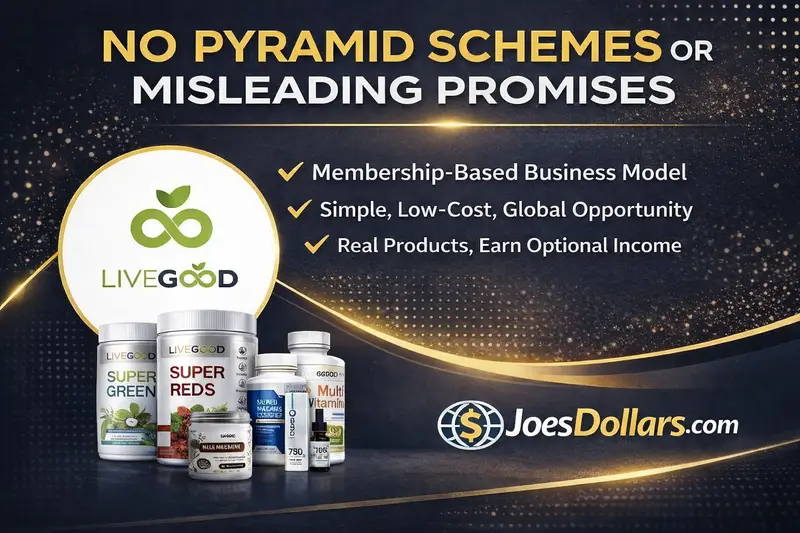
The opportunity below gives you a chance to put this evaluation framework to work. Examine its customer value, total costs, commission terms, refund policy, support, promotional restrictions, and fit for your audience before deciding whether it earns your recommendation.
Explore the opportunity featured below.











Very interesting topic, thanks for the info.