9 Useful Lead Magnet Ideas to Grow Your Email List


A lead magnet is a useful resource offered in exchange for a person’s contact information and permission to follow up. It can help the right reader take a small first step while giving you a chance to continue the conversation by email.
The format matters less than the match between the resource, the audience, and the problem. A short checklist that solves an immediate problem can outperform a long ebook that tries to cover everything. The goal is not to collect the largest possible list. It is to earn attention and begin a useful relationship with people who genuinely want the subject you cover.
Start With the Audience and One Specific Problem
Before choosing a format, identify who the resource is for and what they should be able to do after using it. Avoid a broad promise such as “learn online marketing.” A more useful promise might help a beginner compare three side-hustle models, outline a first email sequence, or check the basic costs of an online business.
Use questions from readers, customer support messages, search queries, and recurring mistakes to find useful topics. A lead magnet should connect naturally to the content, products, or services you discuss later. If the free resource attracts people who want a completely different subject, the list may grow without helping either the reader or the business.
9 Practical Lead Magnet Ideas
1. Checklist
A checklist turns a repeatable task into a short sequence. It works well for setup processes, evaluations, pre-publish reviews, and buying decisions. Keep each item specific enough that the reader can tell when it is complete.
2. Quick-start guide
A concise guide can explain the first few steps without pretending to be a complete course. State what the guide covers, what it does not cover, and what the reader may need next.
3. Worksheet or decision tool
A worksheet helps readers apply information to their circumstances. Budget planners, comparison sheets, audience profiles, and offer-evaluation worksheets can be more useful than passive reading.
4. Template
Templates reduce the effort of starting from a blank page. Examples include email outlines, content briefs, customer-question logs, and weekly planning sheets. Explain where the template needs to be customized rather than encouraging readers to copy it blindly.
5. Email course
A short email course delivers one manageable lesson at a time. Each message should have a clear purpose and realistic action. Tell subscribers how often messages will arrive and what will happen after the course ends.
6. Resource list
A curated resource list can save research time when it explains why each resource is included. Disclose affiliate relationships and distinguish essential tools from optional conveniences. Check links, prices, and features regularly because tools change.
7. Case study
A case study can show the decisions, work, costs, limitations, and results behind a real example. Avoid presenting an exceptional outcome as typical. Include enough context for readers to understand what may not transfer to their situation.
8. Webinar or recorded workshop
A workshop is useful when demonstration improves understanding. Give viewers a clear agenda and an honest description of any offer presented during or after the training. A recording can remain useful, but dated platform screens, prices, and rules need review.
9. Quiz or assessment
A short assessment can help readers sort options or identify a next step. Explain how answers are used and avoid presenting a marketing quiz as a professional diagnosis or individualized financial recommendation.
Make the Landing Page Clear
The landing page should answer four questions quickly:
- Who is this resource for?
- What practical problem does it address?
- What information must the visitor provide?
- What emails or other follow-up should the visitor expect?
Use a descriptive headline, a brief explanation, a readable form, and an accurate button label. Avoid vague buttons such as “Submit.” Do not claim that the resource will produce a particular income or conversion result.
The JoesDollars.com Free Gift page is one internal example: it offers a focused work-at-home report and explains the related bonus without reproducing an entire course on the signup page.
Ask for Meaningful Email Consent
Tell people what they are signing up to receive. Do not hide ongoing marketing behind the download request. Keep records appropriate to your email platform and give subscribers a working way to stop future marketing messages.
Commercial-email requirements depend on the audience and jurisdiction. For U.S. requirements, review the Federal Trade Commission’s CAN-SPAM compliance guide. It covers sender information, subject lines, postal-address requirements, opt-out instructions, and responsibility for vendors sending on your behalf.
Set Privacy Expectations
Explain what information you collect, why you collect it, which services process it, and how a person can ask questions or exercise applicable privacy rights. Collect only the information you need. A first-name and email field may be enough for a basic report; additional personal details require a clear purpose.
If tracking pixels, analytics, advertising audiences, or profiling are involved, make sure the site’s notices and consent process match what actually happens. Privacy requirements vary, so use appropriate professional guidance when your audience or data practices make the issue complex.
Plan the Follow-Up Before Publishing
A download without useful follow-up can leave subscribers wondering why they shared their email address. A simple sequence might:
- Deliver the promised resource immediately.
- Explain how to use it and where beginners commonly get stuck.
- Provide one related educational article.
- Answer a likely question or objection.
- Introduce a relevant next step without disguising a sales message as neutral advice.
Affiliate recommendations in email or on a landing page should disclose the relationship clearly. The FTC’s endorsement guidance explains why material relationships should be disclosed and why endorsements must be truthful and supportable.
Measure Useful Conversions
Do not assume a format is “proven to convert” for every audience. Establish a baseline and test one meaningful change at a time. Useful measures can include:
- Landing-page visitors and completed signups
- Delivery and confirmation rates
- Unsubscribes and spam complaints
- Replies, resource usage, or completed actions
- Qualified inquiries or sales connected to the sequence
- Cost per useful subscriber, not just total list size
A higher signup rate is not automatically better if the promise attracts the wrong people or creates complaints. Evaluate whether subscribers remain engaged and receive what they expected.
Evaluate Tools, Costs, and Data Portability
Before committing to a landing-page or email service, examine its current pricing, subscriber and sending limits, automation features, support, deliverability controls, export options, privacy terms, and cancellation process. Confirm that you can export subscriber data in a usable format and understand which records may not transfer to another provider.
JoesDollars.com has previously referenced LeadsLeap and its SendSteed email service as tools readers may evaluate. The following are affiliate links, and Joe may earn compensation if you join through them at no additional cost to you: review LeadsLeap and review SendSteed. Their features, prices, limits, and terms can change, so verify the current details directly and compare them with reasonable alternatives.
SendSteed currently describes itself as a free service supported by advertising inside its management interface. “Free” does not remove the need to evaluate support, portability, deliverability, privacy, and long-term fit. No tool can guarantee subscribers, sales, or business growth.
Recommended Next Step
Start with one problem your audience repeatedly asks about and create the smallest resource that genuinely helps. Then connect it to a clear landing page and a short, useful follow-up sequence.
See Using Email as an Affiliate Marketer for related guidance, or visit Joes Recommended Programs when you are ready to examine Joe’s current recommendations.
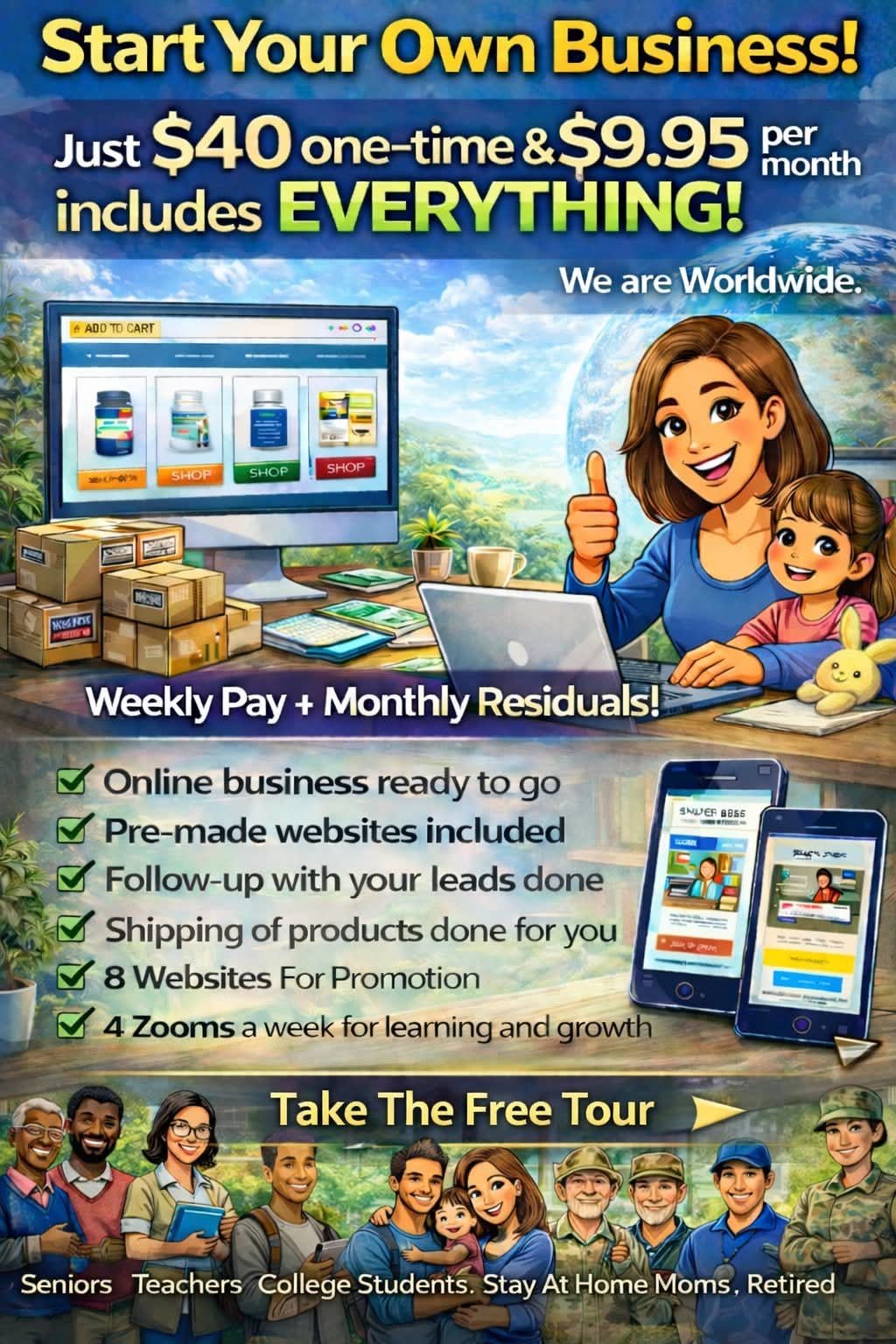
You can also review Joe’s currently featured opportunity in the advertisement accompanying this article. The advertisement is separate from the program-neutral lead-magnet guidance above.