Bad Money Habits to Break (and What to Do Instead)

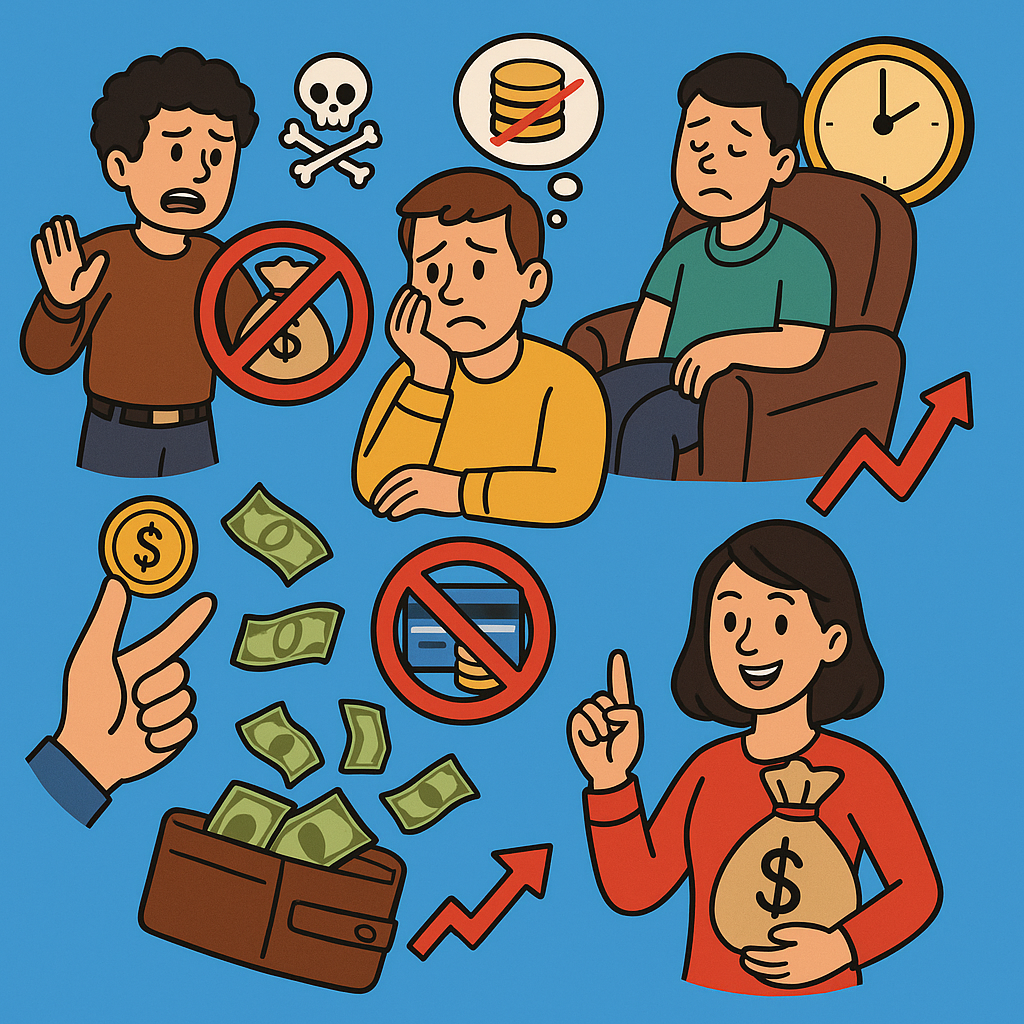
Have you ever stopped to wonder why some people always seem to move ahead financially, while others are stuck in the same spot year after year? It’s rarely just luck or a higher paycheck. More often, it comes down to habits—the daily choices, the hidden beliefs about money, and the subtle ways we either set ourselves up for success or quietly sabotage our financial future. The truth is, building wealth isn’t just about saving or budgeting; it’s about reshaping the way you think and act around money.
If you want financial freedom, whether that means padding your retiree income or growing a side hustle into something substantial, it starts by breaking the bad money habits holding you back—and replacing them with smart, intentional ones.
Let’s dig into some of the most common money traps and discover what to do instead.
1. Telling Yourself Money Is Bad or Evil
The Habit:
This one runs deep. Many people grow up hearing that wealth makes people greedy, selfish, or corrupt. If you’ve internalized this mindset, you may unconsciously sabotage yourself, avoiding opportunities to earn more or dismissing wealth as “not for you.”
You’ve probably heard the saying, “money is the root of all evil.” But that’s actually a misquote. The original comes from the Bible:
“For the love of money is a root of all kinds of evil. Some have been led astray from the faith in their greed, and have pierced themselves through with many sorrows.” — 1 Timothy 6:10 (WEB)
Notice the difference? The problem isn’t money itself, but the unhealthy obsession with it—valuing money above people, purpose, or integrity. When you believe money itself is evil, you unconsciously push it away.
The Alternative:
Start reframing money as a neutral tool, not a villain. It takes on the character of the person using it. Just like a hammer can build a home or smash a window, money reflects the intention behind it.
In the hands of someone generous, it can build schools, support charities, or help a retiree live with dignity. In the hands of someone selfish, it can be wasted or used harmfully. The choice lies in how you approach it.
Wealth in the right hands means supporting your family, giving generously, and funding dreams that bring joy and impact.
Action Step #1: Write down three positive things money has already allowed you to do—maybe paying for a vacation, helping a friend, or buying groceries for your family. Reinforce the belief that money can be a force for good when managed wisely.
Action Step #2: Write down how you’d use an extra $1,000 if it came your way tomorrow. Focus on things that help you, your family, or your community. This simple practice reframes money as a positive force in your life.
2. Staying in Your Comfort Zone
The Habit:
It feels safe to keep doing what you’ve always done—pay the bills, save a little, spend the rest. But financial comfort zones are often disguised traps. If you never take steps to learn new skills, invest wisely, or start a side hustle, you’ll stay stuck at your current level.
The Alternative:
Growth comes from stretching. Trying new things, even if they feel uncomfortable, can open the door to new streams of income and bigger opportunities. That could mean learning how to invest, turning a hobby into an online side business, or exploring ways to build retiree income beyond Social Security.
Action Step: Pick one financial action this month that scares you a little. Open a retirement account, list a product online, or attend a workshop about investing. Progress requires courage—and courage feels uncomfortable at first.
3. Spending Money Mindlessly
The Habit:
Impulse buys, endless subscription services, and “retail therapy” can drain your bank account faster than you realize. The real danger isn’t just the spending—it’s doing it without thinking.
The Alternative:
Practice mindful spending. That doesn’t mean depriving yourself or never having fun—it means pausing to ask: Will this purchase improve my life in a meaningful way? Will it move me closer to financial security or away from it?
Action Step: Try the 24-hour rule. When you feel the urge to buy something non-essential, wait a full day before purchasing. Most of the time, the desire fades, and you’ll save money without feeling deprived.
4. Assuming You’ll Never Be Wealthy
The Habit:
This is the classic limiting belief: “I’ll never make enough,” “I’m not smart enough,” or “People like me don’t get rich.” Believing you’re destined for financial struggle becomes a self-fulfilling prophecy.
The Alternative:
Adopt a growth mindset. Wealth isn’t reserved for the lucky few; it’s built step by step, habit by habit. Many retirees, side hustlers, and everyday people build financial security not by winning the lottery but by consistently improving their money habits.
Action Step: Start a simple affirmation practice. Each morning, repeat: I am capable of creating financial abundance. I am open to new opportunities. It might feel silly at first, but your brain listens to what you tell it.
5. Living Without a Plan
The Habit:
Many people “wing it” financially. They spend as money comes in, cross their fingers at the end of the month, and hope there’s enough left for the bills. Without a plan, money tends to slip through your fingers.
The Alternative:
Create a roadmap for your money. That doesn’t mean a rigid spreadsheet that makes you miserable—it means knowing where your money is going and giving every dollar a purpose.
Action Step: Start with a simple 50/30/20 budget: 50% for needs, 30% for wants, 20% for saving and investing. Even small adjustments (like reducing streaming services or eating out less) can free up cash for building wealth.
6. Ignoring Opportunities to Grow Income
The Habit:
Relying on a single paycheck or Social Security check can keep you financially vulnerable. Many people focus only on cutting expenses but ignore ways to grow income.
The Alternative:
Look for opportunities to expand your earning power. This could be through a side hustle, part-time consulting, or even selling unused items online. For retirees, this extra income can add freedom and reduce financial stress. For younger readers, it can help pay off debt faster and speed up wealth building.
Action Step: Brainstorm three ways you could bring in extra income this month. Don’t overthink it—start small and grow from there. The important thing is to begin.
7. Carrying Too Much Debt
The Habit:
Debt is like a leaky bucket—you keep pouring money in, but it never fills up. High-interest credit cards or loans can quietly drain your wealth-building potential.
The Alternative:
Focus on reducing debt aggressively. Start with the “snowball” method (paying off the smallest debt first for quick wins) or the “avalanche” method (tackling the highest interest rate first). Either way, getting rid of debt is like giving yourself a raise.
Action Step: Call one lender this week and negotiate a lower interest rate, or transfer a balance to a card with better terms. Small moves like this accelerate your progress.
Final Thoughts: Breaking Free from Bad Habits
Money isn’t just math—it’s mindset, emotion, and daily practice. The good news? Habits can be changed. By shifting from destructive patterns to intentional ones, you’ll not only reduce stress but also open the door to opportunities for growth, freedom, and peace of mind.
Wealth doesn’t have to feel out of reach. You can start by breaking these habits today, adding in smart alternatives, and creating new streams of income—whether through a passion-driven side hustle or strategies to strengthen your retiree income.
Your financial story isn’t written in stone. Every choice you make moves you closer to the life you want.
Ready for What’s Next?
Breaking bad money habits is just the beginning. If you’re curious about how to create new streams of income, grow your financial confidence, and explore opportunities designed to help everyday people, don’t stop here.
Take the next step and explore the opportunity featured below this article—you may be surprised how small changes today can reshape your financial tomorrow.










The comfort zone section got me. Being careful with money can be smart, but never learning anything new because you don’t want to risk a dollar can keep you stuck too.
That’s the balance. I don’t believe in being reckless, but avoiding every uncomfortable move can become its own expensive habit.