7 Steps to Affiliate Marketing Profits


Affiliate marketing is simple to understand: you recommend another company’s product or service, and you may earn a commission when someone buys through your link. You don’t have to manufacture the product, process the payment, or handle customer support.
That does not mean affiliate marketing is automatically easy, passive, or profitable. Your real job is not merely promoting a product. It is helping the right people make a useful decision—and earning enough trust that they take your recommendation seriously.
If you are considering several ways to earn extra money, start with how to choose the right side hustle for you. If affiliate marketing fits what you want to build, these seven steps will give you a practical foundation.
1. Choose a Focused Niche and Audience
A niche is the subject or market your content serves. “Health,” “money,” and “relationships” are enormous markets, not useful niches by themselves. You need to narrow the subject enough that you know whom you are helping and what kinds of problems they have.
For example, “working from home” is broad. Helping retirees start an online business on a limited budget is much more focused. That gives you a recognizable audience, specific questions to answer, and a clearer way to judge whether a product belongs on your website.
A good niche usually sits at the intersection of three things:
- People actively want information, products, or solutions.
- You have useful knowledge, experience, or a willingness to learn the subject thoroughly.
- There are legitimate products you would feel comfortable recommending.
Do not choose a niche only because somebody says it is profitable. If you have no interest in the subject and nothing useful to add, producing worthwhile content will become a miserable chore.
2. Identify Problems People Actually Want Solved
Affiliate marketing works best when the recommendation is part of a helpful answer. Start by identifying the questions, frustrations, goals, and buying decisions your audience already has.
Listen to the language real people use. Read customer questions, product reviews, discussion forums, social media groups, and search suggestions. Look for recurring questions, especially ones that are not answered clearly elsewhere.
Some content can help a reader understand a problem. Other content can compare possible solutions, explain who a product is for, or show how you personally use it. The affiliate link should be a logical next step—not a trapdoor hidden inside an article.
3. Research Search Intent and Content Opportunities
Keyword research can help you learn what people search for, but there is no magic minimum number of monthly searches that guarantees success. A smaller, specific search may bring fewer visitors while attracting people who are much closer to making a decision.
Instead of chasing one high-volume keyword, look at the reason behind the search:
- Informational: The reader wants to learn how something works.
- Comparative: The reader is weighing products, services, or business models.
- Transactional: The reader may be ready to buy or sign up.
- Problem-specific: The reader wants an answer to a narrow frustration or obstacle.
Use keyword tools as research aids, not instruction manuals. Your firsthand experience, clear explanations, and ability to answer the real question matter more than forcing an exact phrase into every paragraph.
4. Choose Affiliate Products Carefully
Commission size matters, but it is not the first thing I would consider. A generous commission on a poor product is still a poor recommendation—and it can damage the trust you worked to build.
Before promoting a product, consider:
- Does it genuinely fit your audience and the problem being discussed?
- Would you buy or use it yourself?
- Is the sales page clear, accurate, and professional?
- Are the price, guarantee, refund policy, and ongoing charges easy to understand?
- Does the company have a reasonable reputation and reliable customer support?
- How long does the tracking cookie last?
- Are commissions one-time, recurring, or subject to special conditions?
- Does the program restrict email, paid advertising, brand bidding, or other promotional methods?
My article on how to choose the right affiliate product to promote goes deeper into that decision.
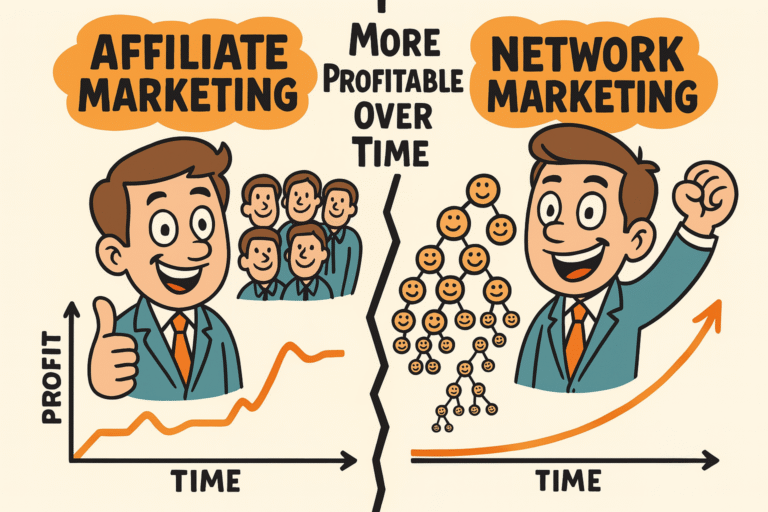
If you are comparing affiliate marketing with a team-based opportunity, read Affiliate Programs vs Network Marketing. They can overlap, but they are not the same business model.
Whenever you may earn money from a recommendation, disclose that relationship clearly. The FTC’s endorsement guidance explains that material connections should be disclosed clearly and conspicuously. A vague disclosure buried where nobody will see it defeats the purpose.
5. Build a Useful Home Base
You do not need a different website for every product. In most cases, one trustworthy website serving a defined audience is more useful than a collection of thin websites built around individual offers.
Choose a memorable domain that gives you room to grow. An exact-match keyword stuffed into a long domain is not a substitute for a recognizable name, useful content, and a good reputation.
WordPress is one practical way to build your site, but the software is only the foundation. Your website should make it easy to understand whom you help, find your best material, join your email list, and learn why your recommendations deserve consideration.
An email list also gives interested readers a way to hear from you again without depending entirely on search engines or social media algorithms. For a practical starting point, see Email Marketing for Affiliate Marketers: A Beginner’s Guide.
6. Create Helpful Content and Earn Links Naturally
Old affiliate marketing advice often recommends article directories, website directories, forum signatures, and mass blog commenting as ways to create backlinks. That is not a sensible modern strategy.
Create material worth finding and sharing: tutorials, comparisons, firsthand reviews, case studies, checklists, troubleshooting guides, and honest explanations of who should—or should not—buy a product. Promote that material where it genuinely helps, participate in relevant communities without spamming them, and build relationships with people in your field.
Google’s spam policies specifically warn against tactics intended to manipulate search rankings. A handful of useful, relevant links earned because your content deserves them is better than hundreds of manufactured links from places nobody visits.
You also do not need to publish every day merely to satisfy a search engine. Publish as often as you can produce something genuinely useful and maintain it when facts, links, products, or circumstances change.
7. Measure What Works and Keep Improving
Your first article, campaign, or product recommendation may not make much money. That is normal. Affiliate marketing is a process of learning what attracts the right visitors, what earns their trust, and what helps them take the next step.
Track useful measurements such as:
- Which pages attract qualified visitors?
- Which searches and referrals bring them?
- Which links receive clicks?
- Which email topics receive responses?
- Which products convert—and which create refunds or complaints?
- Which articles need clearer answers or updated information?
Expand what genuinely works before starting another website or chasing another niche. One useful, steadily improving site can become a real asset. Ten neglected microsites usually become ten chores.
If you are building this around a regular job, balancing a full-time job and an affiliate marketing side hustle requires realistic expectations and a schedule you can maintain.
Affiliate Marketing Is Simple—But It Is Not Automatic
You do not need your own product to begin affiliate marketing. You do need a useful audience, careful recommendations, honest disclosures, helpful content, and the patience to learn from what happens.
The win-win nature of the model is one reason I continue to believe in it. The company reaches a customer, the customer finds a product that helps, and the affiliate is paid for making the connection. I explain that relationship further in Why Affiliate Marketing Is a Win-Win Online Opportunity.
Affiliate marketing is not automatic income, but it can become a practical online business when you choose carefully, create useful content, and keep improving what works.
If you’re ready to put these seven steps into practice, the opportunity below gives you one specific option to evaluate. Consider its audience, products, costs, terms, and the kind of useful content you could create before deciding whether it belongs in your business.
Explore the opportunity featured below.











With its engaging content and valuable reviews, this website is well on its way to gaining widespread recognition in the blogging community.
The hardest part for me has always been staying focused long enough to see whether something is actually working. It’s way too easy to keep jumping to a new idea every couple of weeks.
That will kill your progress faster than almost anything. Sometimes you do need to change direction, but constantly starting over means you never give anything enough time to learn what works and what doesn’t.