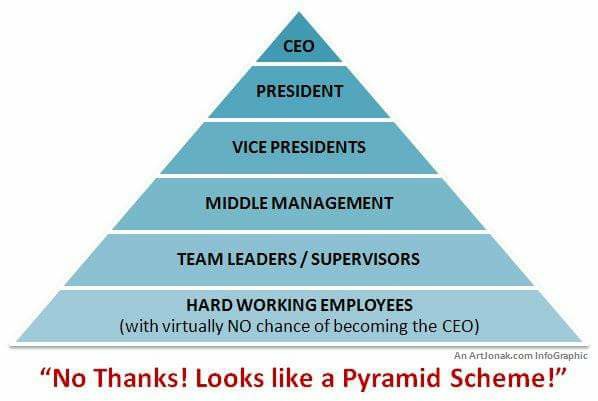
Common Problems With MLM and Network Marketing Programs


Multi-level marketing can look attractive when you want flexibility, community, and a way to build income from home. Some people find products they genuinely value and a sales model that fits them. Others discover that the costs, pressure, and compensation rules were far more complicated than the presentation made them sound.
That does not mean every MLM is a scam, and it does not mean every company has the same problems. It does mean you should look beyond the excitement before putting your money, time, reputation, and trust into a program.
These are recurring structural problems to watch for across MLM and network-marketing programs. If you are investigating one specific company, use the separate MLM due-diligence checklist to examine its documents, costs, claims, and policies.
Not Every MLM Problem Makes a Company an Illegal Pyramid Scheme
A company can be expensive, poorly supported, overly complicated, or simply a bad fit without automatically being an illegal pyramid scheme. That distinction matters. Strong criticism should still be accurate criticism.
The FTC’s business guidance concerning multi-level marketing explains that determining whether an MLM has an unlawful compensation structure is fact-specific. The FTC looks at how a program operates in practice, including its marketing, participant experiences, compensation plan, purchases, sales, earnings, expenses, and the incentives the structure creates.
A real product does not answer every question. Neither does a company’s age, popularity, or membership in an industry association. The issue is what people are rewarded to do and whether the business makes economic sense beyond a continuing chain of new participants.
1. Startup and Recurring Costs Can Quietly Add Up
The enrollment fee is only the beginning. A program that looks inexpensive on the first day can become costly after monthly membership fees, product orders, websites, apps, training, events, samples, advertising, travel, shipping, and payment-processing costs are added together.
Low-cost does not mean risk-free. Before joining, estimate what you would spend during an ordinary month and a full year. Then compare that amount with realistic customer sales, not the best income example shown on stage.
Revenue is not profit. If the company pays you $300 but you spent $450 pursuing the business, you did not make $300. You lost $150. Simple arithmetic can cut through a surprising amount of opportunity hype.
2. Inventory, Autoship, and Qualification Rules Create Pressure
Some programs require purchases. Others call them optional but connect them to active status, rank, bonuses, free shipping, or eligibility for commissions. The label matters less than the practical result: what must you buy, sell, or maintain to get paid?
Autoship deserves special attention. A convenient monthly order can become a burden when products accumulate faster than they are used or sold. If you are buying primarily to stay qualified, read Why Am I Paying for MLM Autoship If I’m Not Making Money? and look honestly at the numbers.
Inventory can create the same problem on a larger scale. Do not buy more than you can reasonably use or sell because a deadline, rank, contest, or sponsor makes the purchase feel urgent.
3. Product Pricing and Retail Demand May Not Hold Up
A product should offer genuine value beyond the income opportunity. Ask whether ordinary customers would buy it at its regular price if they had no interest in becoming distributors.
Compare usefulness, quality, quantity, shipping, guarantees, and reasonable alternatives. Loyal participants can create sales volume, but participant purchases are not the same thing as broad retail demand.
My standard is straightforward: if the product only seems valuable because a compensation plan is attached to it, something is wrong. A sustainable sales story begins with customers who want the product, not recruits who need volume.
4. Recruiting Pressure Can Damage Relationships
New distributors are often told to begin with friends, relatives, neighbors, coworkers, and social-media contacts. That can work for some people, but it can also turn every conversation into a prospecting session.
You should not have to pester friends and family to buy or join. Strong relationships are worth more than a quick enrollment. If the system depends on pressure, guilt, secrecy, or treating every person as a lead, the problem is not simply that you need a better script.
Reaching strangers is not effortless either. It requires marketing skills, traffic, trust, follow-up, and a clear customer reason to listen. Some people will be better suited to content and affiliate-style recommendations, which is one reason to compare affiliate programs with network marketing.
5. The Business Still Depends on Selling
A lot of people are told they only need to “share” the product or opportunity. Sharing sounds friendly. The reality is that MLM involves sales. You may sell products, present the business, recruit participants, support a team, or do all four.
That is not automatically bad. Selling is part of most businesses. But a person who dislikes explaining products, answering objections, following up, publishing content, or asking for a decision may find the work much harder than the pitch suggested.
Effort also does not guarantee profit. Someone can work sincerely and still face weak retail demand, high expenses, poor timing, or a compensation structure that sends most rewards upward. That broader problem is explored in Why You’re Doing Everything Right in MLM and Still Not Making Money.
6. Compensation Plans Can Hide Important Details
A complicated compensation plan can hide important details. Ranks, legs, levels, points, cycles, matching bonuses, personal volume, group volume, and compression rules may look impressive while making it difficult to answer the basic question: What must happen before you actually get paid?
Ask how retail sales and recruiting each affect compensation. Find out what causes commissions to be reduced, withheld, or lost. Check whether customers or team members must keep ordering and whether a missed requirement knocks you out of a bonus.
A good system should be simple enough for ordinary people to repeat. That’s my standard, not a legal test. If only a gifted presenter with a large audience, big advertising budget, or years of experience can explain and work the system, calling it “duplicable” does not make it so.
7. Upline Support May Disappear After Enrollment
Many people join because someone they trust promises coaching, community, and a proven path. Some receive real help. Others discover that the sponsor was more attentive before enrollment than afterward.
Before joining, ask what support actually includes. Is there useful product training? Can someone explain the compensation plan without smoke and mirrors? Is help available when you struggle, or mainly when you are ready to place another order?
Support matters, but even a caring sponsor cannot repair weak customer demand, high mandatory costs, or unfair company policies. Do not confuse a good person with a good business model.
8. Refund, Cancellation, and Buyback Terms May Disappoint You
The easiest time to learn how to leave is before you join. Read the refund, cancellation, product-return, and inventory-buyback terms. Check deadlines, restocking fees, shipping responsibilities, exclusions for opened products, and what happens to pending commissions.
Also learn whether the company can suspend an account, change policies, alter the compensation plan, discontinue a product, or terminate a distributor relationship. You may call yourself an independent business owner, but the company still controls the platform, products, and rules.
Promises are easy. Written policies tell you what the company is actually offering.
9. Income Is Uncertain, and Staying Longer Is Not Always the Answer
Building any business takes time. It is unrealistic to expect major results in a few weeks. You need time to learn, find customers, build trust, follow up, and improve your message.
But patience is not the same as refusing to face the numbers. Track revenue, expenses, customer sales, hours, refunds, and actual profit. Sticking with something long enough to learn is wise. Staying forever while losing money is not.
The dream of earning income from home is real, but the path matters. Opportunity, effort, skill, timing, product demand, costs, and personal circumstances all affect the outcome. No slogan can make those factors disappear.
Different MLMs Can Have Different Problems
Not every company requires inventory. Not every plan uses autoship. Not every sponsor pressures friends and family. Costs, products, compensation rules, training, cancellations, and retail demand vary widely.
That is exactly why broad criticism should lead to specific investigation. Do not assume a company is good because another MLM was worse, and do not assume every company is identical because some problems repeat across the industry.
Evaluate the Particular Company Before You Join
If one of these recurring problems concerns you, the next step is not blind optimism or automatic rejection. It is due diligence. Use How to Evaluate an MLM Business Opportunity Before Joining to check the legal company, leadership, official documents, compensation plan, income disclosure, total costs, retail demand, refund terms, regulatory history, and personal fit.
You may decide that a carefully chosen network-marketing program still fits you. You may decide that affiliate marketing, content, digital products, or another side-business model makes more sense. Either way, make the decision with open eyes.
If you’d like to compare those standards against the opportunity I’m currently featuring, you’ll find it below.
Explore the opportunity featured below.