Why Affiliate Marketing Is a Win-Win Online Opportunity


Affiliate marketing can be a genuine win-win online business model. The merchant reaches customers without paying for every impression or click. The affiliate earns a commission for connecting the right person with the right product. The customer discovers something that solves a real problem.
But that three-way benefit is not automatic. If the product is poor, the recommendation is misleading, or the affiliate cares more about the commission than the customer, somebody loses. Affiliate marketing works best when everyone involved receives real value.
What Affiliate Marketing Actually Is
Affiliate marketing is a performance-based arrangement between a merchant and an independent promoter. The affiliate recommends the merchant’s product or service through useful content, email, video, social media, advertising, or another permitted method.
When someone follows the affiliate’s tracked link and completes a qualifying purchase or action, the affiliate may earn a commission. The exact rules vary. Programs can have different tracking periods, attribution methods, payment thresholds, restrictions, refund policies, and commission structures.
That is why choosing the offer matters as much as choosing the subject. Before investing time in promotion, use a careful process for choosing the right affiliate product.
A Simple Test for Your First Affiliate Offer
When you are new to affiliate marketing, it is easy to look at the commission first. I think that is backwards. Start with whether the product deserves to be recommended at all.
Before choosing an offer, ask yourself:
- Would I recommend this if there were no commission?
- Do I understand what the product actually does?
- Can I explain who should not buy it?
- Are the upfront and ongoing costs clear?
- Does the company have reasonable refund and customer-support policies?
- Can I create genuinely useful content around it?
If I cannot answer those questions comfortably, I would rather find another product. A larger commission does not make a poor fit better.
How Merchants Benefit
Affiliate programs allow merchants to expand their reach through people who already create content or communicate with a relevant audience. A merchant may gain:
- Performance-based promotion: Commissions are generally tied to an approved sale, lead, or other defined result.
- Access to specialized audiences: A knowledgeable affiliate may reach people the merchant’s own advertising misses.
- More useful product education: Tutorials, comparisons, demonstrations, and reviews can answer questions a standard sales page cannot.
- Scalable reach: A well-managed program can work with affiliates across different subjects, platforms, and locations.
This does not mean affiliate marketing costs the merchant nothing. The company still has to operate the program, provide tracking, create terms, review applications, support affiliates, prevent fraud, handle customers, and pay commissions. The advantage is that much of the promotional expense is connected to measurable results.
How Affiliates Benefit
The affiliate does not have to invent, manufacture, store, or ship the product. The merchant normally processes the order, collects payment, and handles refunds and customer service.
That removes some of the largest barriers involved in starting a traditional product business. Other potential advantages include:
- Lower startup costs: Many affiliate programs are free to join, although building and promoting your platform can still cost money.
- Flexibility: You can choose the topics, products, content formats, and schedule that fit your life, within the program’s rules.
- Room to test: You can compare topics, offers, and promotional approaches before committing to a large inventory or product launch.
- Multiple ways to earn: One useful website, email list, or channel can introduce several relevant products without requiring a separate business for each one.
- Transferable skills: Research, writing, email marketing, search optimization, video, and audience building remain useful even if a particular program closes.
The ability to recommend more than one product is valuable, but dozens of random offers do not automatically create dozens of income streams. A focused audience and a handful of carefully selected recommendations are usually more useful than covering the website with unrelated links.
How Customers Benefit
The customer is the part many explanations leave out. Without customer value, affiliate marketing is not a true win-win arrangement.
A good affiliate can save the customer time by explaining:
- What the product actually does
- Who it is and is not for
- How it compares with reasonable alternatives
- What it costs now and later
- What limitations or recurring charges apply
- How to set it up or use it successfully
Sometimes an affiliate’s firsthand explanation is more helpful than the company’s sales page. The affiliate can translate marketing language into practical information and discuss disadvantages the merchant may not emphasize.
That trust carries a responsibility. The FTC’s Endorsement Guides FAQ explains that material relationships should be disclosed clearly and that endorsements must be truthful and not misleading.
When Affiliate Marketing Is Not a Win-Win
The model breaks down when:
- The affiliate recommends something solely because it pays a large commission.
- The product provides little value outside the income opportunity.
- Costs, subscriptions, refund terms, or limitations are hidden.
- The affiliate implies personal experience they do not have.
- Promotional claims exaggerate likely results.
- The customer could obtain a clearly better option, but the affiliate ignores it because it does not pay.
- The merchant fails to track sales accurately, pay commissions, support customers, or honor its policies.
A commission creates a potential bias. That does not make every recommendation dishonest, but it does make transparency important. My basic test is simple: would I still believe this product offered reasonable value if I were not being paid to recommend it?
Why Affiliate Marketing Can Work for Beginners
Affiliate marketing is relatively easy to understand, but that is not the same as easy money. A beginner does not need to develop a product or rent a storefront, but still needs to learn how to attract attention, answer questions, create useful content, and earn trust.
You also do not need to be a slick salesperson. In fact, straightforward explanations and honest opinions often serve readers better than high-pressure sales copy. I would rather understand what someone needs and connect them with the right product than pressure them into buying something. You do need a method of reaching people and helping them make informed decisions.
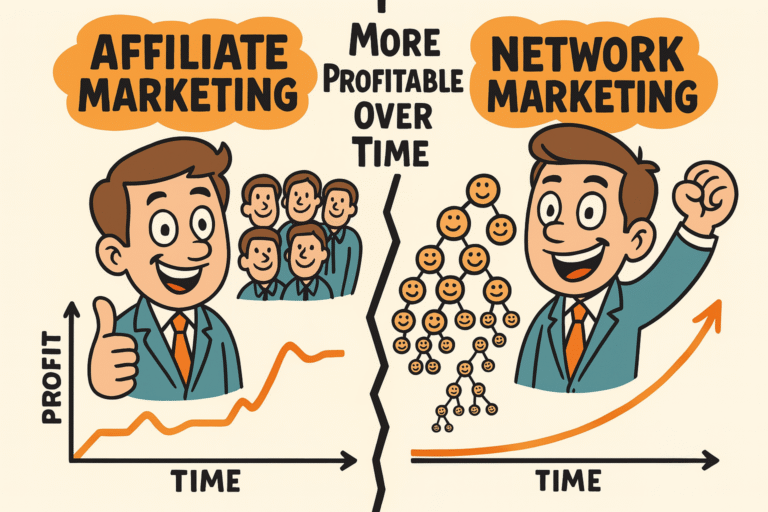
If you are deciding between affiliate marketing and a team-based business, read Affiliate Programs vs Network Marketing. The models can overlap, but the work, compensation, and responsibilities are not identical.
Joining the Program Is Easy. Getting the Right Traffic Is the Business.
Signing up for an affiliate program is usually the easy part. The harder part is getting the right people to see your recommendation.
That traffic can come from search engines, an email list, social media, video, paid advertising, an existing community, direct relationships, or a combination of several methods. The best choice depends on your skills, budget, subject, and the audience you are trying to reach.
The important point is that an affiliate link does not create its own audience. You have to give people a reason to find you, trust you, and pay attention to what you recommend.
What Affiliate Marketing Still Requires
Even when the startup cost is low, your time is not free. Depending on your approach, you may need a website, hosting, an email service, software, product samples, advertising, or recording equipment.
You will also need to maintain your work. Products change. Prices increase. Affiliate terms are revised. Links break. Companies close. Search engines and social platforms change their rules. Income that continues after an article is published may feel passive, but it was built through active work and still requires attention.
A strong starting process is outlined in 7 Steps to Affiliate Marketing Profits. If you intend to build a relationship with readers beyond a single visit, see Email Marketing for Affiliate Marketers: A Beginner’s Guide.
If you are doing this around a regular job, be realistic about how many hours you can maintain. My article on balancing a full-time job with an affiliate marketing side hustle can help you think through that part.
Build the Audience as the Asset, Not the Affiliate Program
An affiliate program can change its commission rate, rewrite its terms, stop accepting traffic from a platform, close entirely, or simply stop being a good fit for your audience.
That is why I do not like the idea of building an entire business around one company’s affiliate link. The more durable assets are the things you build yourself: useful content, an email list, an audience that trusts you, customer relationships, and the skills you develop along the way.
If one program disappears, those assets can still help you recommend another product or take the business in a different direction. The affiliate program is a tool. Your ability to reach and help the right people is the real asset.
Ask ChatGPT: Does Affiliate Marketing Fit Me?
Copy this prompt into ChatGPT and replace the bracketed sections with your own information.
I am considering affiliate marketing as a side hustle or online business.
Time available each week: [hours]
Startup budget: [amount]
Skills and experience: [list them]
Subjects I know or enjoy: [list them]
Existing audience or platform: [website, email list, social following, or none]
Formats I am comfortable using: [writing, video, email, social media, audio, or other]
Tasks I dislike: [list them]
Income goal: [amount and timeframe]Help me evaluate whether affiliate marketing fits my situation. Do not promise income or assume that results are typical.
Please:
- Identify my strongest advantages and likely obstacles.
- Suggest two or three audience and niche directions that match my experience.
- Recommend promotion methods suited to my skills and available time.
- Explain which skills or tools I may need to learn.
- Point out costs, risks, or unrealistic expectations in my plan.
- Create a practical 30-day test that does not require a large financial commitment.
- Give me clear signs to continue, adjust the plan, or stop after the test.
Separate what can be reasonably inferred from what would require more information. Ask me follow-up questions when an important detail is missing.
AI can help you organize a plan, but it cannot guarantee that a niche, product, or strategy will make money. Verify program terms and make decisions based on your own circumstances.
Is Affiliate Marketing Worth Considering?
Affiliate marketing is not effortless or guaranteed. But when you connect the right audience with a product that genuinely helps them, it can create value for everyone involved.
The merchant gains a customer. The customer finds a useful solution. The affiliate is paid for making an honest and helpful connection. That is what makes affiliate marketing a win-win opportunity.
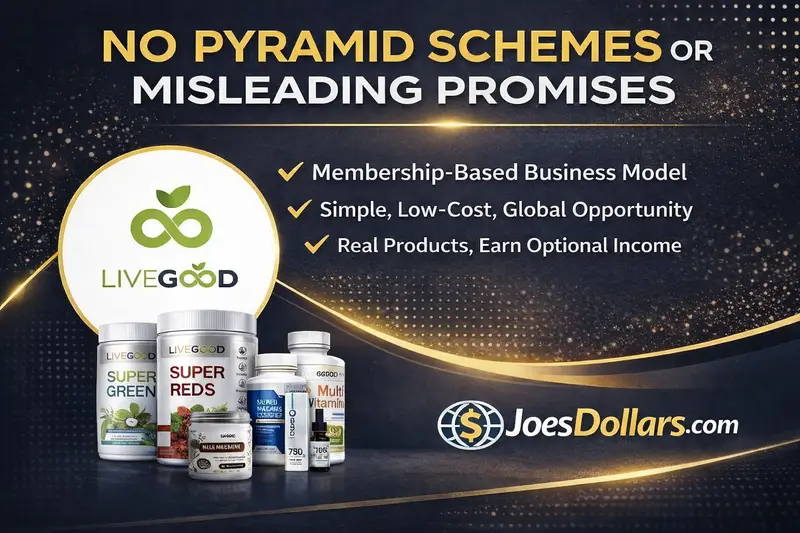
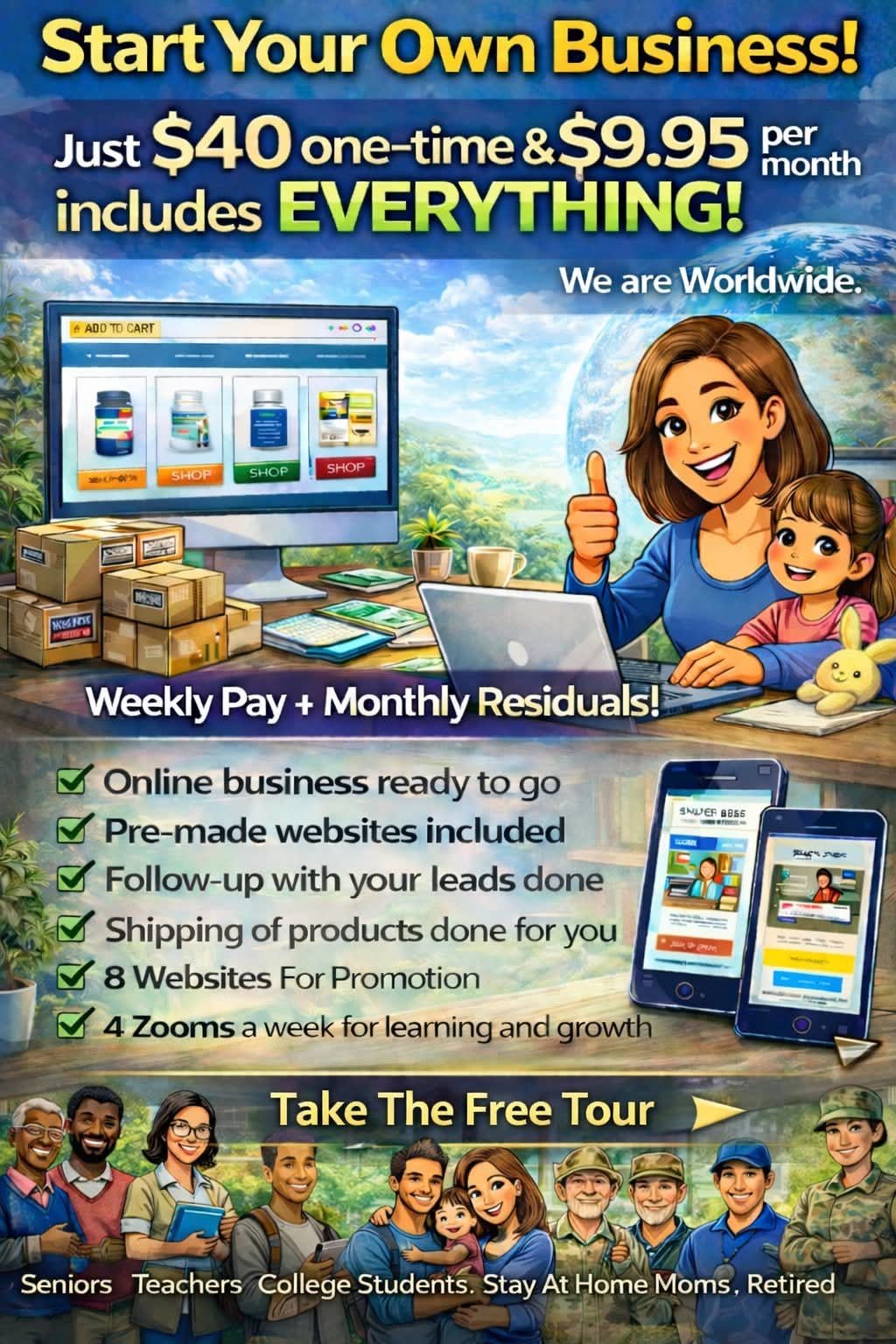
If earning income by connecting people with products that provide genuine value appeals to you, the opportunity featured below is one option to examine. Don’t treat it as an automatic yes. Use the standards in this article and decide whether it fits your goals, available time, and audience.
Explore the opportunity featured below.